
Exploring the Mysteries Behind Supernatural Phenomena
Supernatural phenomena have fascinated humanity for centuries. From ghost sightings to unexplained sounds, these mysterious events challenge our understanding of the natural world. People often wonder what causes these occurrences and whether they hold any truth or are simply products of imagination. This article delves into the intriguing world of supernatural phenomena, exploring their origins, common types, and how experts investigate them.
Understanding Supernatural Phenomena
Supernatural phenomena refer to events or experiences that seem to defy the laws of nature. These can include apparitions, poltergeists, unexplained noises, and other strange occurrences that cannot be easily explained by science. Many cultures have their own interpretations and stories about these events, often linking them to spirits, otherworldly beings, or energies beyond human perception.
Some common examples of supernatural phenomena include:
Ghost sightings: Apparitions or shadowy figures seen in haunted locations.
Poltergeist activity: Objects moving on their own, strange noises, or sudden temperature changes.
Electronic voice phenomena (EVP): Unexplained voices or sounds captured on audio recordings.
Psychic experiences: Telepathy, precognition, or other extrasensory perceptions.
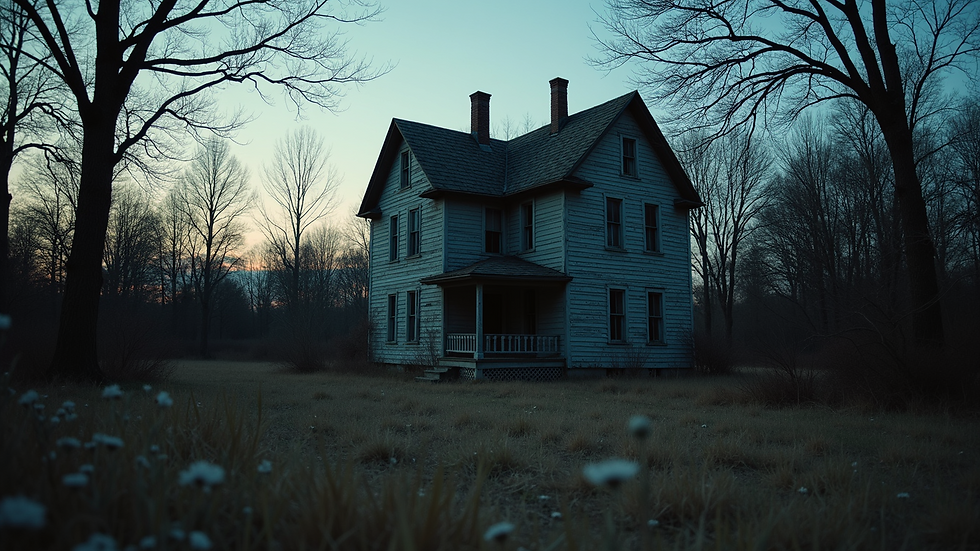
These phenomena often occur in places with a history of tragedy or strong emotional energy, such as old houses, battlefields, or abandoned buildings. While some dismiss these events as hoaxes or misinterpretations, others believe they are genuine encounters with the unknown.
Common Types of Supernatural Phenomena
Supernatural phenomena come in many forms, each with unique characteristics and explanations. Understanding these types can help in identifying and studying them more effectively.
Apparitions and Ghosts
Apparitions are visual manifestations of spirits or entities. They can appear as full-bodied figures, shadows, or lights. Ghost sightings are often reported in places with a dark history, such as former hospitals or prisons. Witnesses describe feelings of coldness, unease, or sudden changes in atmosphere during these encounters.
Poltergeists
Poltergeists are known for causing physical disturbances like moving objects, knocking sounds, or even electrical malfunctions. Unlike ghosts, poltergeists are often linked to living individuals, especially adolescents, and may be manifestations of subconscious energy.
Electronic Voice Phenomena (EVP)
EVP involves capturing voices or sounds on recording devices that are not heard during the actual recording session. Paranormal researchers use EVP as evidence of spirit communication, although skeptics argue these sounds can be explained by interference or auditory illusions.
Psychic Phenomena
Psychic phenomena include telepathy, clairvoyance, and precognition. These experiences involve receiving information beyond the normal senses and are often reported by individuals claiming to have special abilities.

What is a paranormal investigator?
A paranormal investigator is someone who studies and researches supernatural phenomena using scientific methods and specialized equipment. Their goal is to gather evidence, analyse data, and provide explanations for unexplained events. These investigators often work in teams and visit locations reported to be haunted or active with paranormal activity.
Paranormal investigators use tools such as:
EMF meters to detect electromagnetic fields.
Infrared cameras to capture images in low light.
Digital voice recorders for EVP sessions.
Thermometers to measure sudden temperature changes.
They also document witness testimonies and environmental conditions to build a comprehensive understanding of the phenomena. Training and experience are essential for conducting thorough investigations, and many professionals offer courses to teach these skills.
If you are interested in becoming a paranormal investigator or learning more about the field, consider enrolling in a paranormal investigation course to gain practical knowledge and hands-on experience.

How to Approach Supernatural Phenomena Safely
If you encounter or want to explore supernatural phenomena, it is important to approach the situation with caution and respect. Here are some practical tips:
Research the location: Understand the history and previous reports of paranormal activity.
Use proper equipment: Cameras, recorders, and EMF meters can help document evidence.
Stay calm and objective: Avoid jumping to conclusions or letting fear influence your observations.
Work in groups: Having others present increases safety and provides multiple perspectives.
Respect the environment: Do not damage property or disturb the site unnecessarily.
Keep detailed records: Note times, conditions, and any unusual occurrences for later analysis.
By following these guidelines, you can conduct a responsible investigation or simply satisfy your curiosity without putting yourself or others at risk.
The Ongoing Quest to Understand the Unknown
Supernatural phenomena continue to captivate people worldwide. Whether you are a sceptic or a believer, the mysteries behind these events encourage us to explore the boundaries of human knowledge. Advances in technology and scientific methods have improved our ability to investigate and document these occurrences, but many questions remain unanswered.
The study of supernatural phenomena is not just about proving or debunking ghosts and spirits. It also opens up discussions about consciousness, the afterlife, and the nature of reality itself. As research progresses, we may uncover new insights that challenge our current understanding and inspire wonder.
Exploring these mysteries requires an open mind, critical thinking, and a willingness to embrace the unknown. Whether through personal experience or professional investigation, the journey into the supernatural realm offers endless fascination and discovery.


Comments